

Housing Society Problems and Solutions: Tackling Late-night Noise and Neglected Repairs
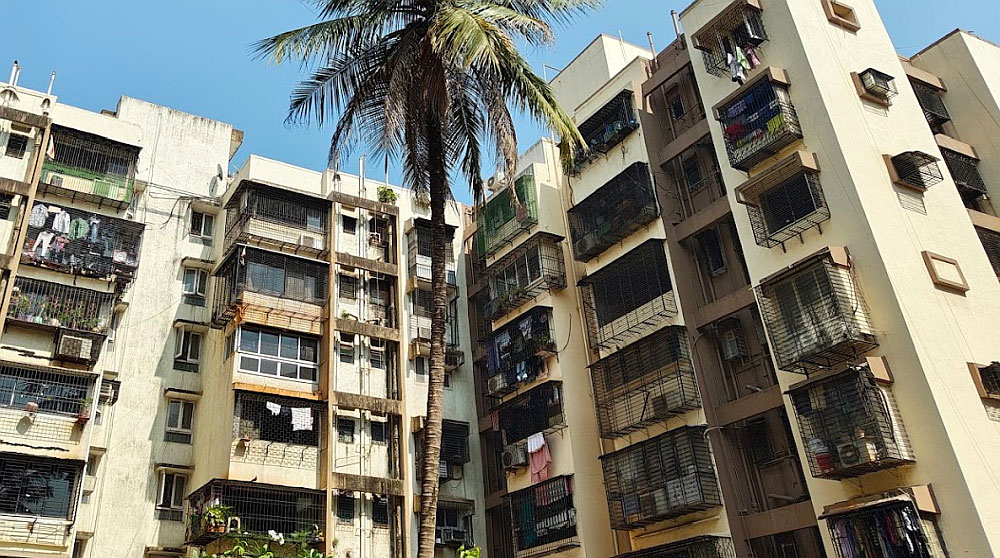
Peaceful living and proper maintenance are essential to a well-functioning cooperative housing society (CHS/the Society), but both can become sources of frustration when residents’ concerns are not addressed promptly. While children and teenagers should have the freedom to socialise and enjoy their time with friends, this should not come at the cost of other residents’ peace and comfort. Similarly, the upkeep of common areas and essential infrastructure requires timely attention, particularly when damage can lead to recurring problems and affect the living conditions of residents.
This week, we look at two common challenges faced by residents in CHS: persistent late-night noise and the neglect of rat-damaged sewage pipes. While one highlights the need to balance residents’ enjoyment with consideration for their neighbours, the other raises questions about maintenance responsibilities and the steps residents can take when their complaints go unanswered. Both situations underline the importance of responsible community living, responsive society management and a clear understanding of the channels available to address unresolved grievances.
Dealing with Late-night Noise and Disturbance in Society
Question: I live in a CHS where children aged between 14 and 16, along with a couple of adults (sometimes including their parents), stay on the Society premises until late at night, often until 12am, talking and chatting loudly. Initially, this happened only once or twice a week, but now it has become a daily occurrence. To make matters worse, they also invite friends from other Societies and they all abuse each other loudly.
My children are unable to sleep and I also find it very disturbing, especially when I have late-night calls for work involving communication with people on the west coast of the US. I have tried to complain to the secretary, but they just shrug it off, saying they are kids. What can be done in such a situation?
My point is that children can play and have fun, but they should be taught basic civic sense and manners by their parents. In fact, instead of teaching them these things, the parents are encouraging them to talk and abuse others loudly.
What should I do? I have tried reasoning with the parents, but they are not even ready to listen. The secretary is ignoring me and if this continues, I might even consider leaving the Society. But I do not want to be a victim. Please advise.
Answer: For this nuisance caused by loud talking on the Society premises, you can lodge a complaint at the local police station which will take appropriate action against those causing the nuisance. But make sure you have evidence, like video recordings from a few days, with timestamps. When you lodge a complaint at the police station, you have to be persistent in pursuing it. If no action is taken on your complaint, you should meet the senior police inspector (SPI) of that police station and request action.
If the SPI does not take any action, you can complain to the higher authority, the assistant commissioner of police (ACP). If the ACP also does not take action on your complaint, you can file a Lokshahi Din with the district collector (DC).
The DC conducts Lokshahi Din hearings in their office on the first Monday of every month and can pass an order directing the ACP to take action within a month.
Rat-damaged Sewage Pipes and Society Maintenance
Question: I live in a CHS, and rats have damaged the sewage pipes in the Society premises. I am concerned about the damage to the pipeline, the possibility of further damage and the condition of the space behind the Society building.
I believe the Society should take responsibility for repairing the damaged sewage pipes and ensuring that the problem does not recur. However, I would like to know what steps I should take if the society does not act on my complaint.
Answer: First, write a complaint letter to your Society’s secretary regarding the rat-damaged sewage pipes and the condition of the space behind the building. Give the Society 15 days to respond to your complaint and request it to carry out the necessary repairs at its own cost, subject to the applicable provisions of your Society's registered bye-laws. Bye-law no. 68(a)(xiv) should be checked to confirm its applicability to these repairs.
If your CHS does not respond to your complaint, you can approach the deputy registrar of cooperative societies in your area and request appropriate directions to the Society to carry out the necessary repairs. You can also approach the municipal ward officer, making the Society a party to your complaint, and request action within the officer's jurisdiction. At both offices, you should pursue your complaint persistently and keep copies of all correspondence and acknowledgements.
You can also file a right to information application (RTI) application with the public information officer (PIO) of the deputy registrar's office and the relevant municipal authority to obtain information about the action taken on your complaints.
If you do not receive the requested information within the prescribed period, or are dissatisfied with the response, you can pursue the remedies available under the RTI Act. If the underlying complaints remain unresolved, you may approach the appropriate senior authority or consider filing a Lokshahi Din grievance.
The district collector conducts Lokshahi Din on the first Monday of each month. However, you should confirm the applicable schedule and procedure with the relevant municipal authority before filing a complaint there. By following up persistently and keeping a proper record of your complaints, you can pursue the matter through the appropriate authorities.
NOTE
We will not be answering queries posted in the comments. Only questions sent through the Moneylife Foundation's Legal Helpline will be answered. If you want to seek guidance or ask questions to Mr Shanbhag, kindly send it through Moneylife Foundation's Free Legal Helpline. Here is the link: https://www.moneylife.in/lrc.html#ask-questionDisclaimer: The guidance provided in these columns and on our Legal Helpline is on the sole basis of the facts provided by the reader/questioner and does not amount to formal legal advice in any form whatsoever.
(Shirish Shanbhag has an MSc in Organic Chemistry, a Diploma in Higher Education, and a Diploma in French and has completed his LL.B. in first class in 2021. Before his retirement, he was a junior college teacher at Patkar College from July 1980 to May 2012, teaching theoretical and practical chemistry. Post-retirement in 2012, he started providing guidance and counselling to people on several issues, specifically focusing on cooperative housing society-related matters. He has over 30 years of hands-on experience in all matters about housing societies and can provide out-of-box solutions for any practical issue.)