

Maintenance Lapses, Neighbour Disputes and Transfer Charges
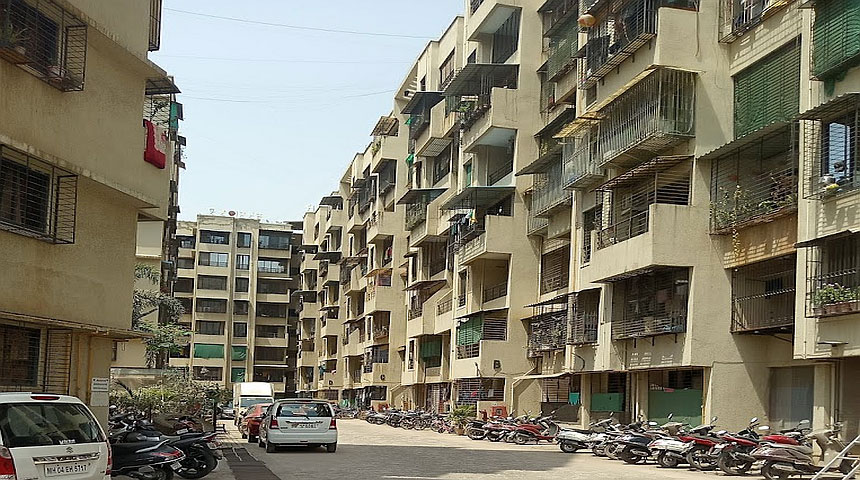
A recurring challenge in a cooperative housing society (CHS/the Society) is that many disputes arise not from major structural issues, but from everyday lapses in maintenance, administration and compliance by the managing committee as well as CHS members. When grievances are ignored or informal practices become entrenched, minor problems can quickly escalate into sources of friction between residents, including members and managing committees.
This week’s queries highlight the importance of following established procedures and understanding the remedies available to the Society members. The issues range from property damage caused by a neighbour’s air-conditioner and unequal maintenance services within a building to questions about transfer charges and adherence to the CHS's rules. In each case, maintaining proper records, making written complaints and pursuing the appropriate channels of redress can go a long way towards resolving disputes effectively.
Dealing with Damage Caused by a Neighbour's AC
Question: My flat walls have been damaged by water dripping from the air-conditioner installed in the secretary's flat. Several painters and contractors have confirmed that the air-conditioner (AC) water is causing the damage. What action can I take?
Answer: Kindly file a written complaint against the flat-owner whose AC water is dripping onto your flat and causing damage. Also, submit a copy of the complaint to your Society and request it to take appropriate action against the member responsible for the nuisance and damage.
If the Society does not take any action, you may make a complaint to the municipal ward office and attach photographs and any reports from painters or contractors confirming the cause of the damage. In your complaint, clearly explain the damage caused to your flat and request the concerned authority to inspect the matter and take appropriate action.
If no action is taken on your complaint for a reasonable period, you may file an RTI application with the public information officer (PIO) of the concerned municipal ward office, seeking details of the action taken on your complaint. Attach a copy of your original complaint and ask for the status of the matter.
If the complaint still remains unattended, you may consider raising the issue through Lokshahi Din before the appropriate municipal authority and seeking redressal of your grievance.
Society Must Ensure Equal Maintenance Services
Question: Despite repeated complaints over several years, the housekeeping staff in our housing society does not clean the common areas on our floor, although other floors are cleaned regularly. We have always paid our maintenance dues on time. What action can we take?
Answer: The residents of your floor should jointly submit a written complaint to the managing committee, clearly stating that the common areas on your floor are not being cleaned regularly and requesting immediate corrective action.
Under Maharashtra’s model bye-laws, members may submit complaints in writing to the Society. The managing committee is expected to consider the complaint at its next committee meeting and communicate its decision within 15 days. If the Society fails to respond within that period, or if you are dissatisfied with its response, you may escalate the matter to the appropriate authority, such as the deputy registrar of cooperative societies, depending on the circumstances.
Keep copies of all complaints and correspondence for future reference.
Society Cannot Demand Excess Transfer Premium
Question: My housing society charged ₹50,000 for the transfer of a flat. It accepted ₹25,000 by cheque and issued a receipt, but demanded another ₹25,000 in cash without giving any receipt. When I questioned this, the secretary and treasurer said it was a regular practice. Can I complain to the deputy registrar about this and seek action against the Society for not following the bye-laws?
Answer: If you have paid ₹25,000 in cash for the transfer of the flat and have not received any receipt, it may be difficult to prove the transaction. Therefore, in the absence of documentary evidence, it may be difficult to establish the additional payment.
However, you may still make a complaint to the deputy registrar of cooperative societies and provide all available details regarding the demand for cash and the transfer charges collected by the society.
A cooperative housing society in Maharashtra cannot charge a transfer premium exceeding ₹25,000. If the Society has demanded or collected any amount over and above this limit as a condition for transferring the flat, you may specifically bring this fact to the notice of the deputy registrar.
If the Society refuses to transfer the flat unless an additional payment is made, you may make a complaint against the managing committee to the deputy registrar of cooperative societies and seek appropriate action.
NOTE
We will not be answering queries posted in the comments. Only questions sent through the Moneylife Foundation's Legal Helpline will be answered. If you want to seek guidance or ask questions to Mr Shanbhag, kindly send it through Moneylife Foundation's Free Legal Helpline. Here is the link: https://www.moneylife.in/lrc.html#ask-question Disclaimer: The guidance provided in these columns and on our Legal Helpline is on the sole basis of the facts provided by the reader/questioner and does not amount to formal legal advice in any form whatsoever.
(Shirish Shanbhag has an MSc in Organic Chemistry, Diploma in Higher Education, and a Diploma in French and has completed his LL.B. in first class in 2021. Before his retirement, he was a junior college teacher at Patkar College from July 1980 to May 2012, teaching theoretical and practical chemistry. Post-retirement in 2012, he started providing guidance and counselling to people on several issues, specifically focusing on cooperative housing society-related matters. He has over 30 years of hands-on experience in all matters about housing societies and can provide out-of-box solutions for any practical issue.)