
Event- Honouring Chaitanya Patil for the Rasta Satyagraha Highway Audit
Event Report- Citizen Audit of Mumbai–Goa Highway: Chaitanya Patil Felicitated for 490-km Rasta Satyagraha on NH-66 Safety Gaps
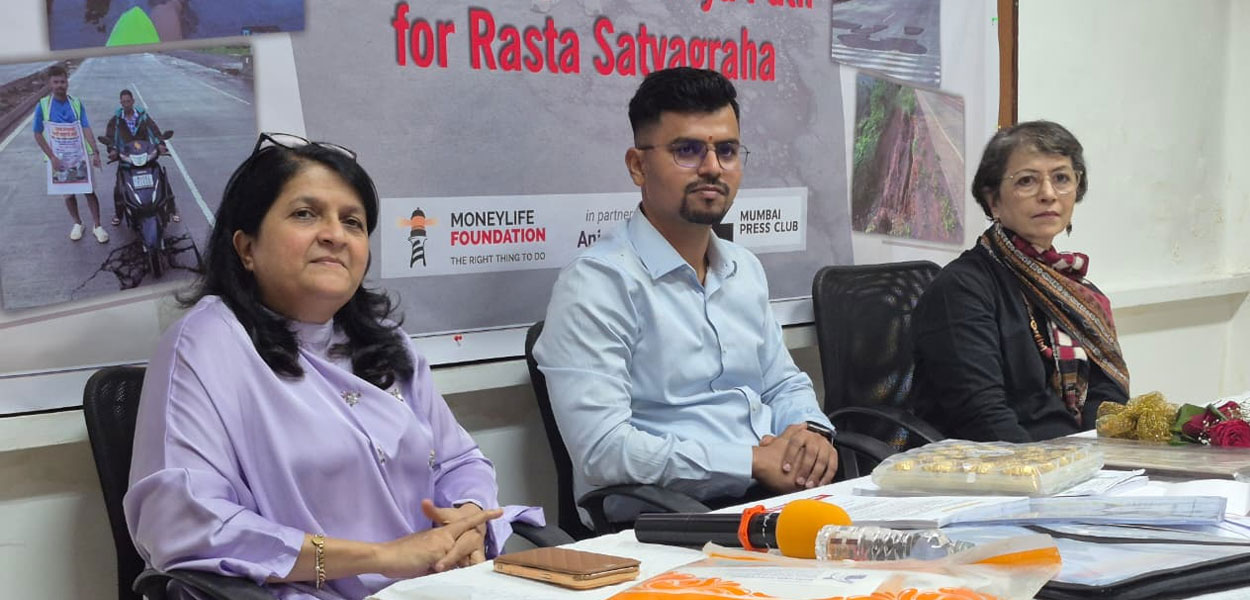
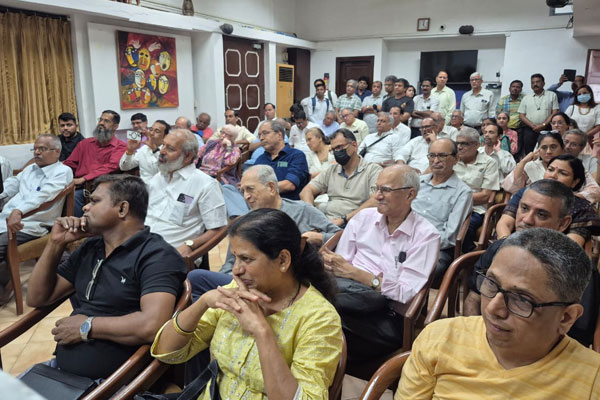
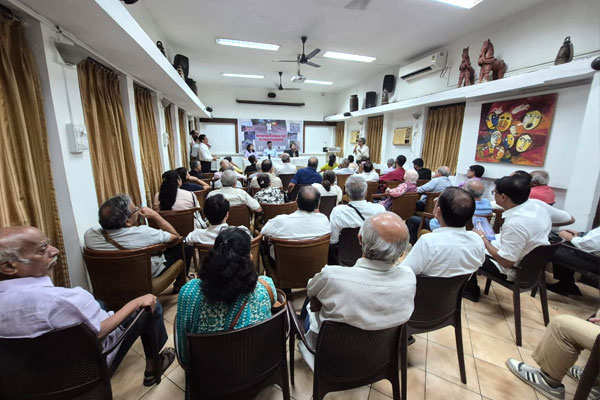
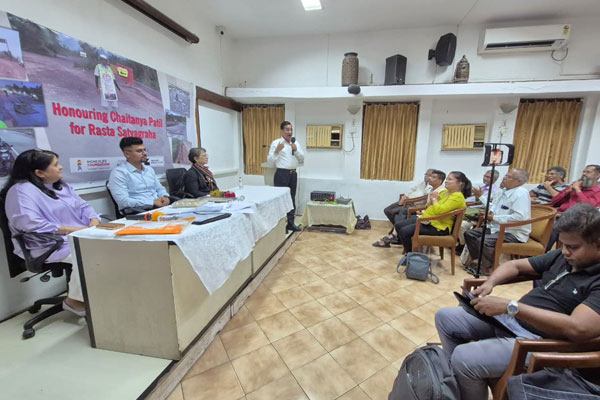
“We need to become a generation that asks questions; only then can we change the country.” That was the message engineer and civic activist Chaitanya Patil left the audience with at the Press Club of Mumbai on Wednesday, where he was felicitated for his Rasta Satyagraha—a 29-day, 490-kilometre on-foot audit of the Mumbai–Goa National Highway (NH-66) documenting safety lapses, unfinished works and infrastructure risks along the corridor.
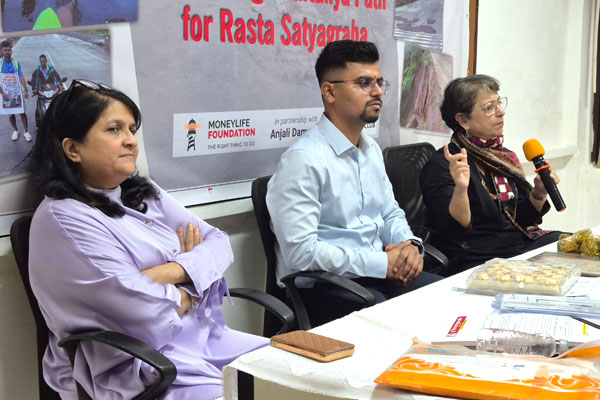
The felicitation was organised by Moneylife Foundation in partnership with social activist Anjali Damania and hosted at the Mumbai Press Club. It followed Mr Patil’s submission of detailed, location-wise reports based on his walk, which included GPS-tagged photographs and technical notes that were formally placed on record with the concerned authorities.
Mr Patil’s Rasta Satyagraha drew attention to the condition of NH-66, a highway that has been under widening and upgradation for several years. His documentation highlighted recurring issues, including incomplete bridges, prolonged use of diversion roads, inadequate drainage, open medians and missing safety infrastructure. These are problems road users encounter daily, but which often remain scattered across files and complaints.
At the interaction, Mr Patil spoke about the intent behind the walk and how his engagement with civic issues evolved over time. Recalling his student days, he said that his initial efforts involved flagging local problems online. “While in college, I used to post on social media, pointing out issues like potholes and other local problems. Sometimes the authorities would reply and fix the issues, and sometimes they wouldn’t. It was then that I realised that we need to constantly remind them of things for them to get things done,” he said.
Over time, he said, this understanding shaped his decision to move beyond online complaints to sustained, on-ground documentation that could not be easily ignored or dismissed. The on-foot audit, he explained, was designed to observe road conditions as they are actually experienced by users, rather than as they appear in project reports.
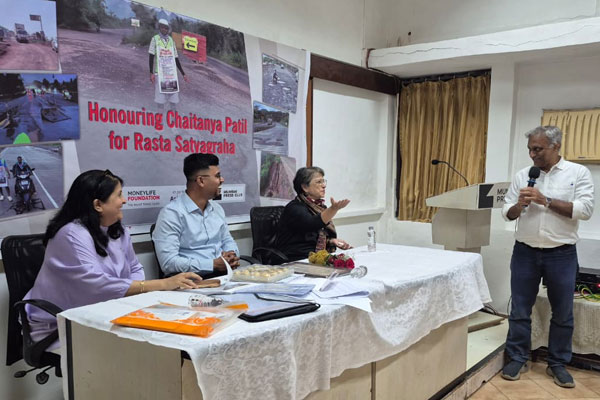
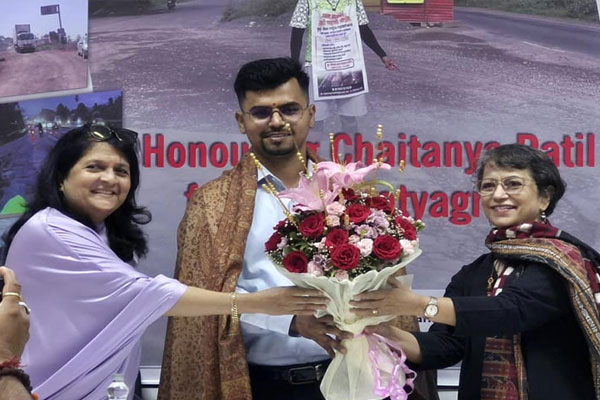
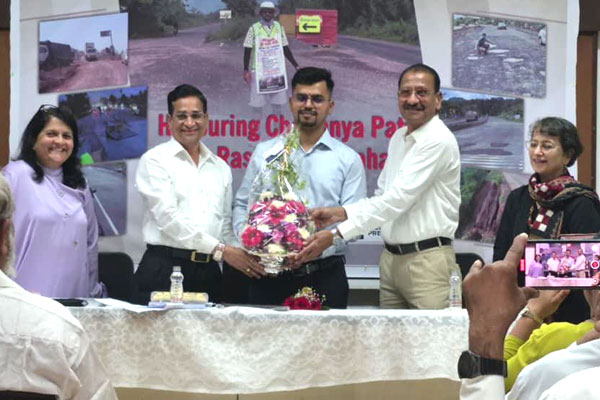
The felicitation and citation were presented by Anjali Damania, Sucheta Dalal, founder-trustee of Moneylife Foundation and social activist Bhaskar Prabhu, who spoke about the significance of Mr Patil’s work as an example of citizen-led accountability grounded in documentation rather than rhetoric.
Speaking at the felicitation, Ms Dalal, who is also managing editor of Moneylife, says the felicitation of Mr Patil is organised in recognition of the fact that citizen-led accountability efforts are often lonely and sustained with little institutional support. She observed that while the judiciary remains a critical last line of defence for citizens, real change also depends on individuals willing to document failures and persist, despite setbacks.
She noted that Mr Patil’s work was particularly heartening because it demonstrated what focused, evidence-based civic action by younger citizens can achieve; sometimes surpassing what even more experienced activists have managed, underscoring the importance of encouraging and supporting such efforts. Similar views were echoed by Anjali Damania, who emphasised the need to nurture and stand behind young activists if meaningful public accountability is to be sustained.
Several activists and civil society members present at the event echoed this assessment. Those present included Anil Galgali, D Stalin, GR Vora, Ashok Datar, Mohammed Afzal, Kamalakar Shenoy and Samir Zaveri, among others.
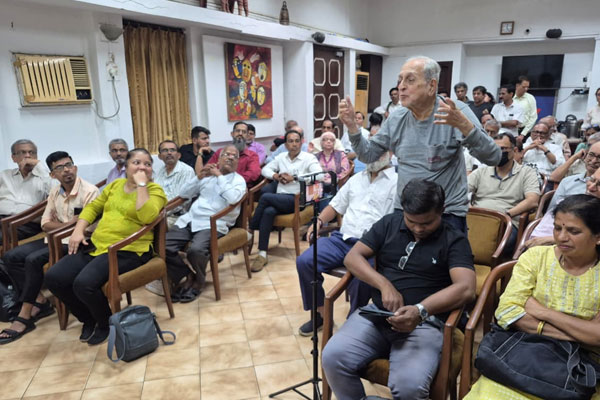
Senior activist Ashok Datar noted that Mr Patil’s effort stood out for its persistence and the care taken to align on-ground observations with existing engineering and safety standards. Other speakers expressed support for his work and stressed the importance of sustained follow-through to ensure that the findings of the Rasta Satyagraha lead to meaningful outcomes.
Chaitanya began his walk after years of following up on NH-66-related complaints through representations and Right to Information (RTI) applications. The walk covered the entire Maharashtra stretch of the highway up to the Goa border and was carried out during the monsoon months of August and September, concluding in mid-October. The timing of the walk coincided with the monsoon, when issues related to drainage failures, unfinished works and unsafe diversions are most visible.
In his closing remarks at the event, Mr Patil spoke about the need for sustained civic engagement and evidence-based activism, urging citizens to move beyond passive frustration and take ownership of public accountability. Drawing from his experience during the walk, he said the exercise went beyond documenting potholes and infrastructure gaps and included meeting families affected by highway accidents. He added that he was willing to extend this form of documentation-driven activism to other highways across the country.
Following the submission of his reports, the office of the chief engineer, ministry of road transport and highways (regional office, Maharashtra and Goa), acknowledged receipt of the on-foot highway inspection documentation and forwarded it to state public works department (PWD) officials with instructions to examine the issues highlighted and submit point-wise action taken reports.
With the findings now on official record and public attention focused on NH-66, speakers at the felicitation emphasised that the next phase would depend on institutional response and follow-through. As several noted, the risks identified on the highway are neither new nor undocumented; what remains to be seen is if documented evidence will translate into timely corrective action on the ground.
Chaitanya Patil’s documented process of Rasta Satyagraha has been made publicly available by him here: https://drive.google.com/drive/folders/1_Mho2CQVfdLwdM4qB5XG3ZtCMnlnkVVG?usp=sharing and can also be accessed by scanning the below QR code:

You may also want to read:
Rasta Satyagraha- Part 1: When the System Didn’t Move, Chaitanya Patil Walked the Mumbai-Goa Highway
Image Gallery